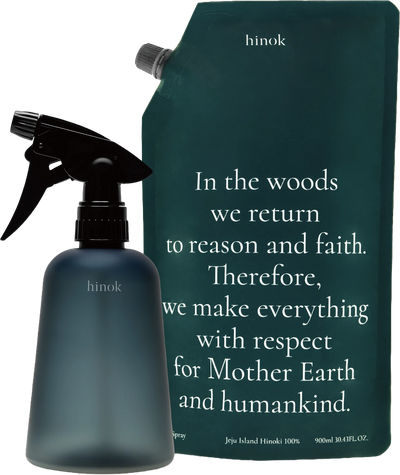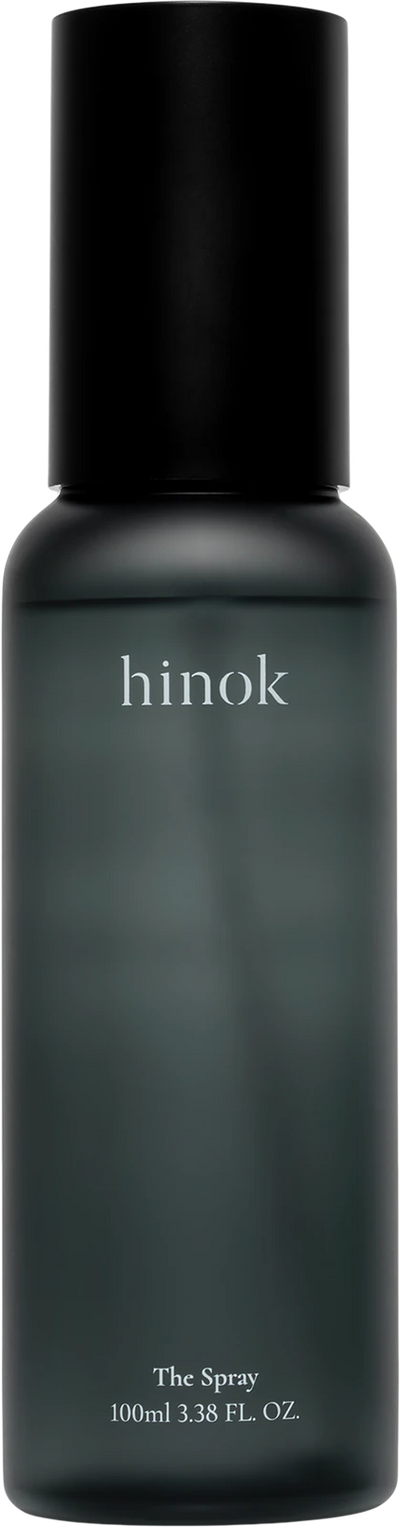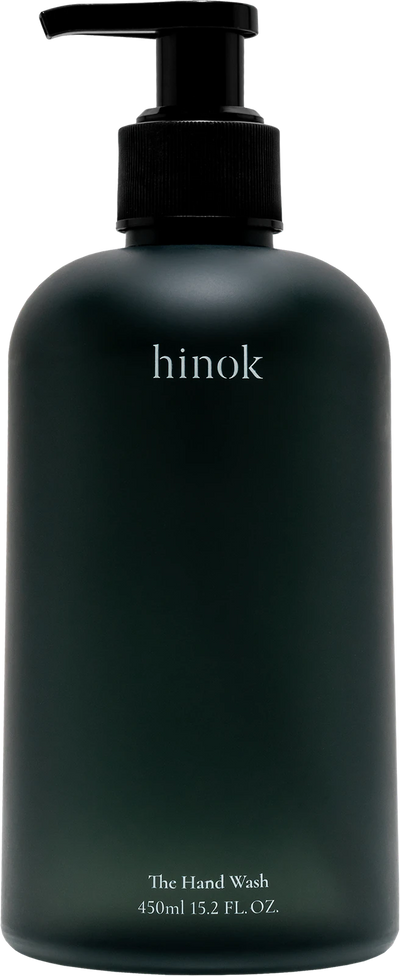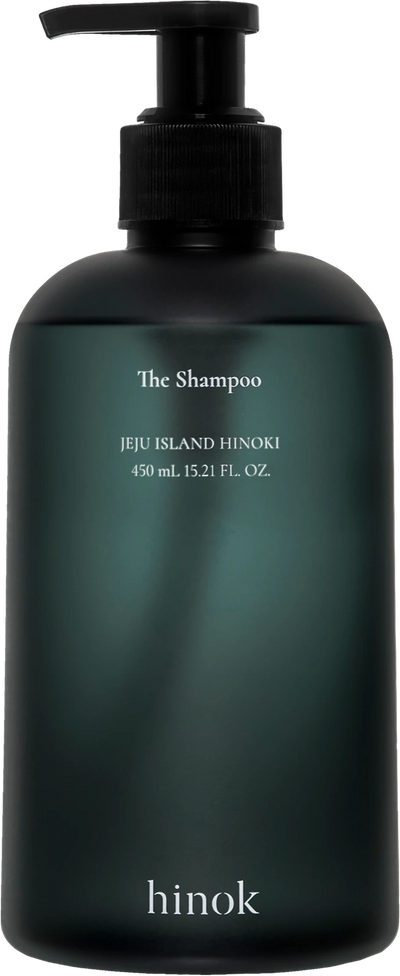

Steam rises off the tile. The cypress hits the air a half-second before it hits the scalp. For five minutes, the bathroom turns into a small Jeju forest. People on Jeju call that 산림욕 (sanlimyok), or forest bathing, and it usually happens among the trees. The shower is a smaller version of the same idea.
That is what The Shampoo was built for.
What it actually does
The Shampoo cleanses with plant-derived surfactants. No sulfates, no silicones. The lather is moderate — enough to carry oil and dust off the scalp without stripping the hair.
Jeju Hinoki Cypress (Chamaecyparis obtusa) Water is the base. The same upcycled material that goes into the rest of the line, here directed at the scalp. Soft water, soft cleansers, no heavy after-coat. Hair feels its own weight again by the time you towel off.

Cypress water on the scalp
Cypress trees release phytoncides — the aromatic compounds they produce to protect themselves from bacteria and fungi. Steam distillation carries those compounds out of pruning byproducts on Jeju and into the hinoki water we use across the line.
On the scalp, the cleanse arrives plant-side. The water phase does the cleansing work; the cypress sits in the background, neutral on skin and gentle through a daily wash.

What's not in it
No sulfates. No silicones. No synthetic fragrance. No parabens.
The choice is deliberate. Sulfates strip too aggressively, and the lather they produce reads as clean when it is mostly bubble. Most people whose scalp dries out after washing are reacting to the surfactant, not the water itself. Silicones coat the strand, making hair feel polished for a wash or two and then accumulate, which is why people end up needing stronger cleansers to clear them. The cycle becomes its own problem.
The hinok approach is to keep the cleanse short and the after-coat absent. What "clean" means here is a specific list, written plainly on the bottle.
The scent that stays
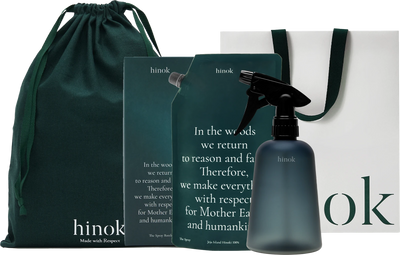
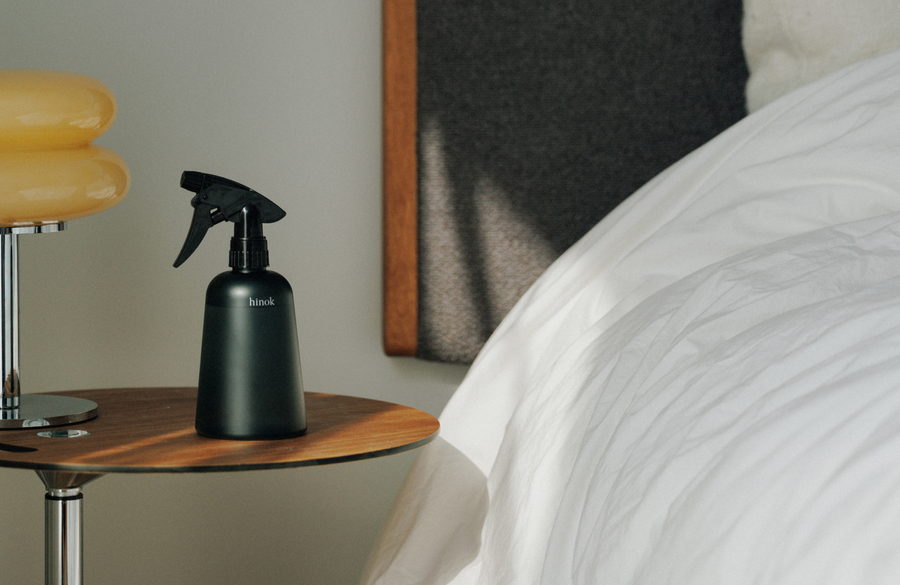
This is where The Shampoo parts ways with The Spray. The Spray is a deodorizer; its scent is quiet and transient on purpose, designed to clear the air and step back. The Shampoo is the opposite. The cypress sits with you through the day. Subtle, but it stays.
The scent reads differently between batches. Hair washed in early summer carries a brighter top note; late autumn sits lower, more grounded. We don't manufacture consistency. Each batch reflects what Jeju offered that season. If a bottle smells slightly different from your last, that is the point.

Where it comes from
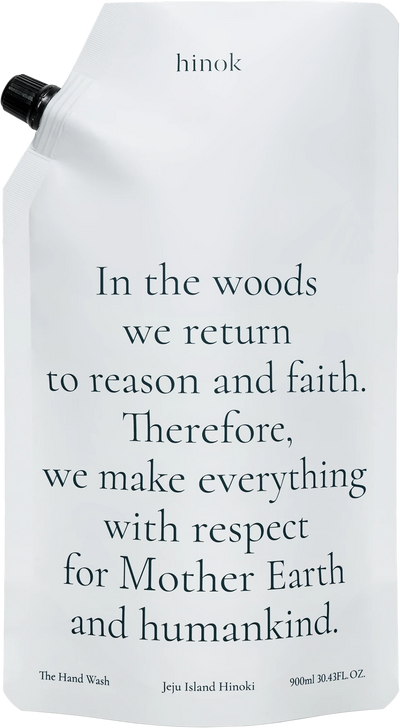
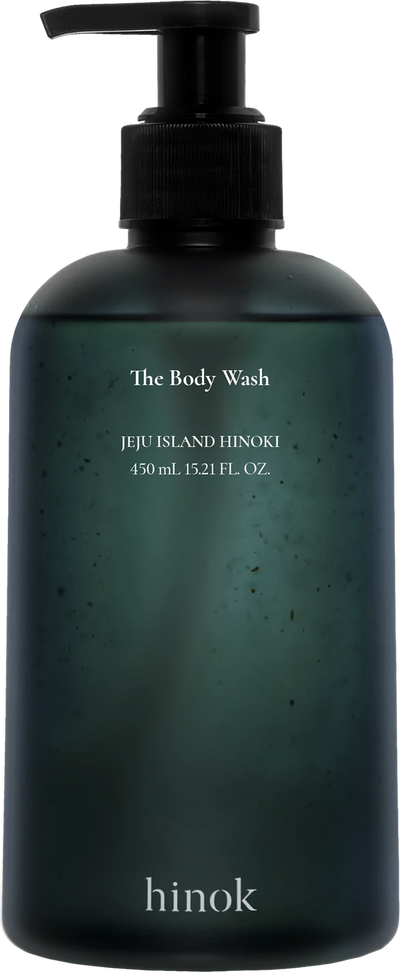
Each year, hinoki cypress forests on Jeju are pruned for forest health. Branches and leaves come down regardless. We collect them and steam-distill the water and oil that ends up in The Shampoo, The Hand Wash, The Body Wash, and the rest of the line.
The trees are not cut. The forest grows back the same way it always has, on volcanic basalt fed by morning mist. We use what comes off in the routine work of caring for the grove.
hinok is PETA Certified Vegan and cruelty-free. Plastic Neutral certified by rePurpose Global — every gram of plastic in circulation is offset by recovery of the same weight from waterways and shorelines.
Fallen, not Harvested.