
Hinoki water is natural. Like a vintage, small seasonal shifts are normal — performance stays consistent while the note can change. That is the whole explanation, though it deserves a few more words.

Why Variation Happens
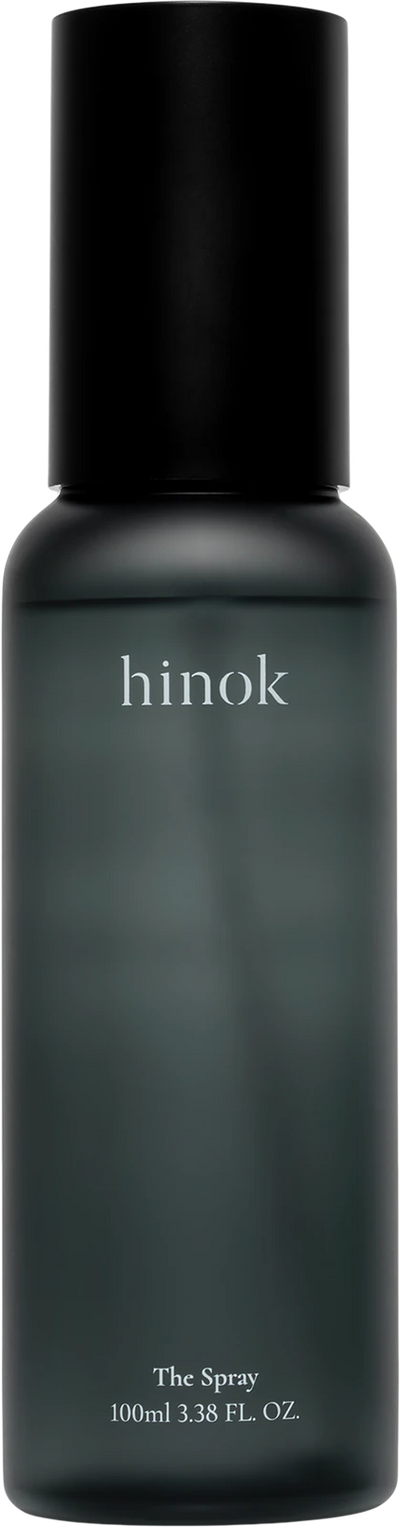
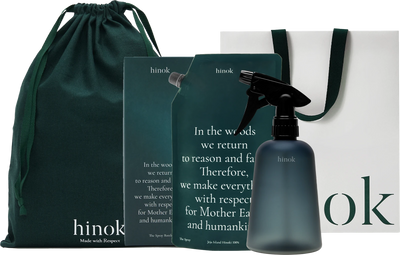
The Spray is formulated with Jeju Hinoki Cypress (Chamaecyparis obtusa) Water, steam-distilled from pruning byproducts — fallen leaves and trimmed branches, not harvested timber. No synthetic fragrance is added. What ends up in the bottle is the water phase of distillation, carrying the phytoncides — the aromatic compounds that cypress trees release to protect themselves from bacteria and fungi.
Because the source is a living forest, the inputs change with the season. A mild, wet spring produces foliage that distills slightly differently from a dry, bright autumn. Pruning rhythms follow forest health rather than production targets. The trees give what they give.
We do not correct for this. We don't manufacture consistency. We honor what nature provides.
What Changes, Specifically
The character of the hinoki note shifts in small ways across batches.
- Brightness. Some harvests read a touch sharper on first impression — closer to fresh-cut cedar.
- Softness. Others arrive rounder, closer to a forest floor after rain. Less immediate, more settled.
- Persistence of the note. Variation of one or two minutes in how quickly the background returns to neutral.
These are the kinds of differences a careful nose notices between a bottle from July and one from February. They are not defects. They are the record of a specific stretch of the year.
What Stays Constant
Function does not shift. Every batch is tested before release.
- Deodorizing performance. Two light passes at arm's length still return fabric and air to neutral within minutes.
- Low-residue finish. Cotton, linen, and most blends stay comfortable to the touch.
- Dermatological profile. An independent human patch test on thirty-two volunteers recorded an irritation index of 0.00 — a result that carries across batches.
- Certifications. PETA Certified Vegan and cruelty-free, across every harvest.
What you are buying is the function. The character is the gift the season happens to bring with it.

How to Keep Results Steady
Small habits help the experience feel consistent even when the note shifts.
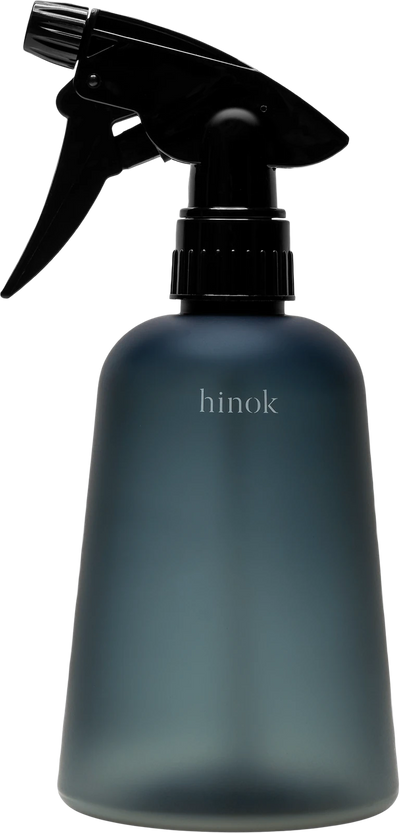
- Distance and dosage. Mist at arm's length — about thirty centimeters. Two light passes, not one heavy one.
- Room airflow. Crack a window or run brief airflow after misting. Neutrality settles faster.
- Layering etiquette. If you wear personal fragrance, refresh first, let garments dry, then apply perfume. The Spray keeps the background neutral so your scent stays primary.
- Storage. Keep the bottle upright, away from heat or direct sun. Temperature cycling over months is what changes the note faster than a new batch would.
A Parallel: Natural Wine
The closest analogy outside personal care is wine made without additives. A maker who intervenes minimally accepts that each vintage will taste a little different — and a community of drinkers who want that kind of wine comes to expect, even look forward to, those shifts.
That is the category hinok sits closest to. Not the fragrance industry, which standardizes aggressively. The winemaker who lets a specific season speak through a specific bottle.
Label, Disclosed
Every batch is verified for low-residue finish and skin-compatible contact before release. Each bottle carries the full INCI — Jeju Hinoki Cypress (Chamaecyparis obtusa) Water by name — and a batch code traceable to distillation date. No synthetic fragrance. PETA Certified Vegan, cruelty-free. Designed to refill, not replace.
If a bottle reads slightly different from your last one, that is the brand working as intended. We don't manufacture consistency. We honor what nature provides.