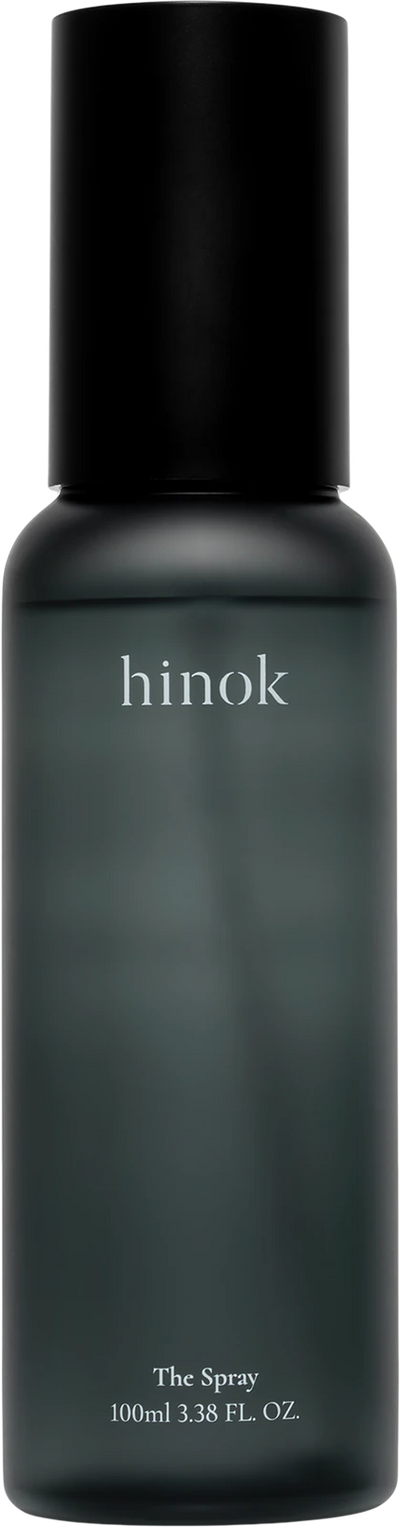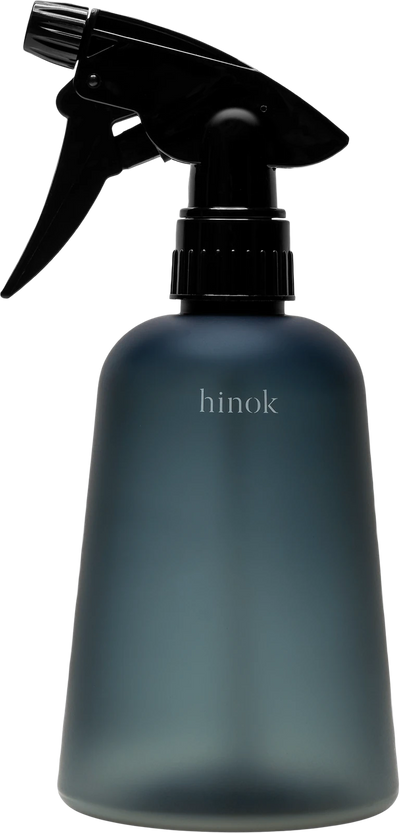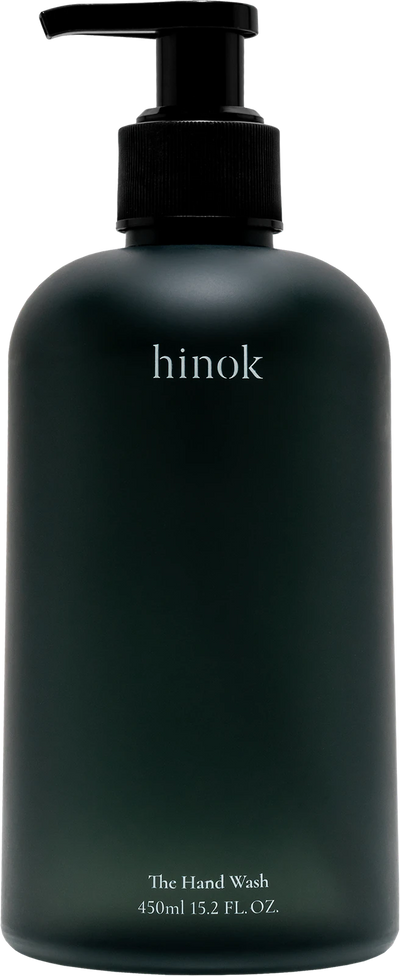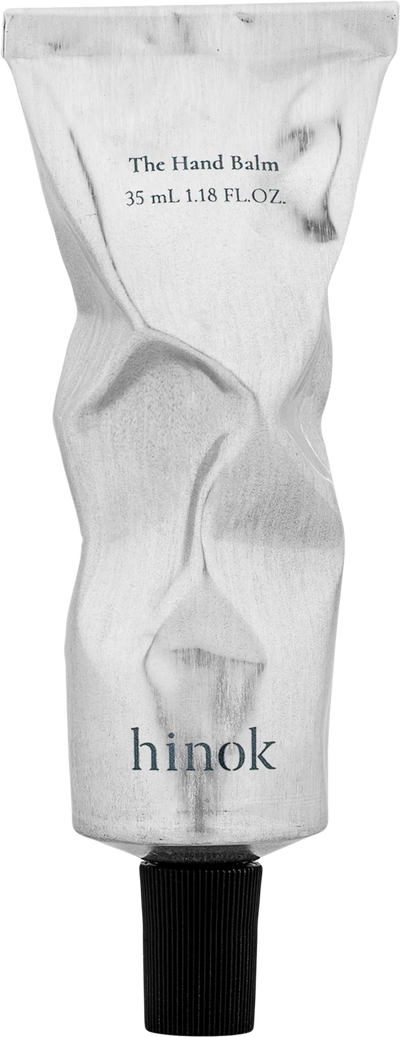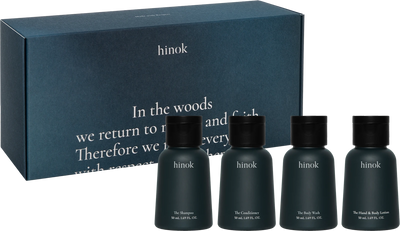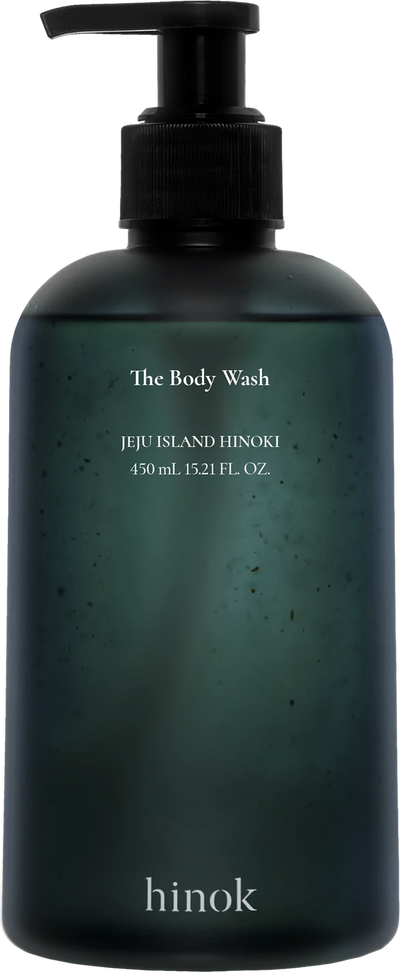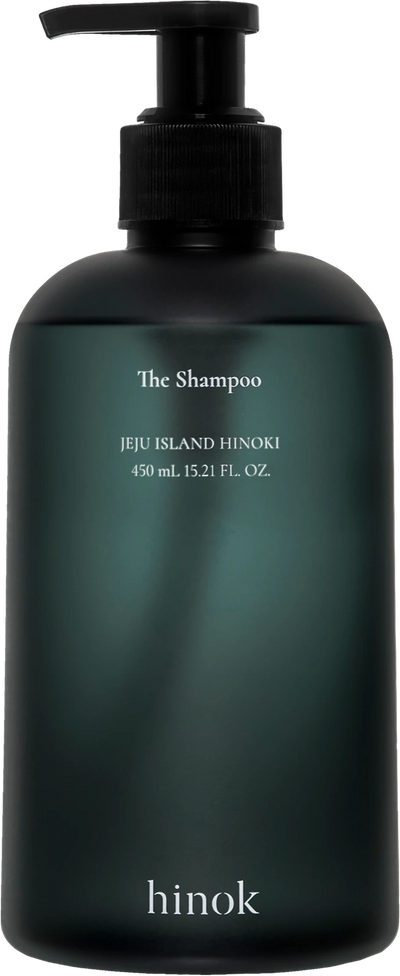

At dawn, low cloud brushes Jeju's oreum — small volcanic cones that catch passing mist. Moisture slips through basalt, feeds the roots of the cypress grove, and returns to you, eventually, as a light note in a bottle.
The water cycle is not background. It is the product.

The Cycle Itself
Jeju is volcanic. The island was built by eruption, and its surface is porous basalt — stone that water moves through quickly rather than pooling on top of. When mist and rain arrive, they drain into the rock and collect in deep, mineral-rich reserves below. The ground stays dry while the subsurface stays fed.
Jeju Hinoki Cypress (Chamaecyparis obtusa) has grown in this rhythm for a long time. Quick drain at the surface, steady reserve underneath. The trees are adapted to neither flooding nor thirst. They grow slowly and release a specific balance of phytoncides — the aromatic compounds cypress trees use to protect themselves from bacteria and fungi — shaped by that balance of water above and water below.
Why This Shapes Your Bottle
Origin only matters if it changes what ends up in daily life. It does.
Cypress growing elsewhere — in flat soil, in different climates — releases a different profile of compounds. The same species of tree, when the water around it behaves differently, produces water with different character. So when a label says "Jeju Hinoki Cypress," it is not a romantic detail. It is a specification.
On fabric, the result is a mist that refreshes without lingering. In shared air, a neutral finish that steps back within minutes. Both are downstream of the island's water rhythm.

From Oreum to the Water Phase
We source foliage from routine pruning — fallen leaves and trimmed branches — not from timber. Steam distillation carries the active compounds into the water phase without any synthetic fragrance added. The water we bottle is the direct downstream product of what the island gives the tree, and what the tree gives off to protect itself.
Because inputs are natural and pruning rhythms follow the season, each batch carries the character of a specific stretch of the year. Some are a touch brighter; some are softer. We don't manufacture consistency. We honor what nature provides.
In the Bottle, In the Room
The Spray is formulated with Jeju Hinoki Cypress water to deodorize fabric and refresh rooms while keeping cotton, linen, and most blends comfortable to the touch. Two light passes at arm's length. The background returns to neutral within minutes.
An independent human patch test on thirty-two volunteers recorded an irritation index of 0.00 for the water, supporting safe daily skin and fabric contact. Full INCI is disclosed on every bottle.

Refill, Continuing the Cycle
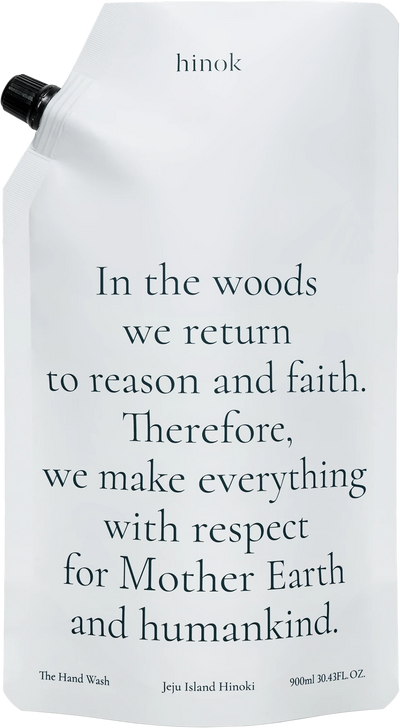
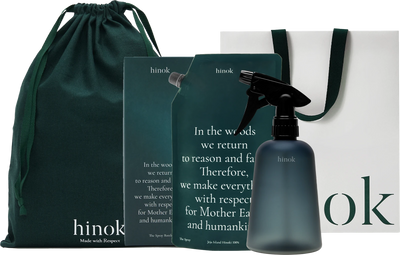
A refillable bottle is the most honest tribute we can pay to the island's logic. Keep one durable bottle in service; refill, not replace. Rinse and air-dry between refills for a clean pour. Pouches store flat to reduce material and shelf clutter.
Each refill cycle keeps the same bottle in service, with far less plastic than a new bottle. We are Plastic Neutral certified by rePurpose Global — every gram of plastic we put into the world is offset by recovery of the same weight from waterways. The Long Life Service covers the trigger for five years.

Placement and Timing
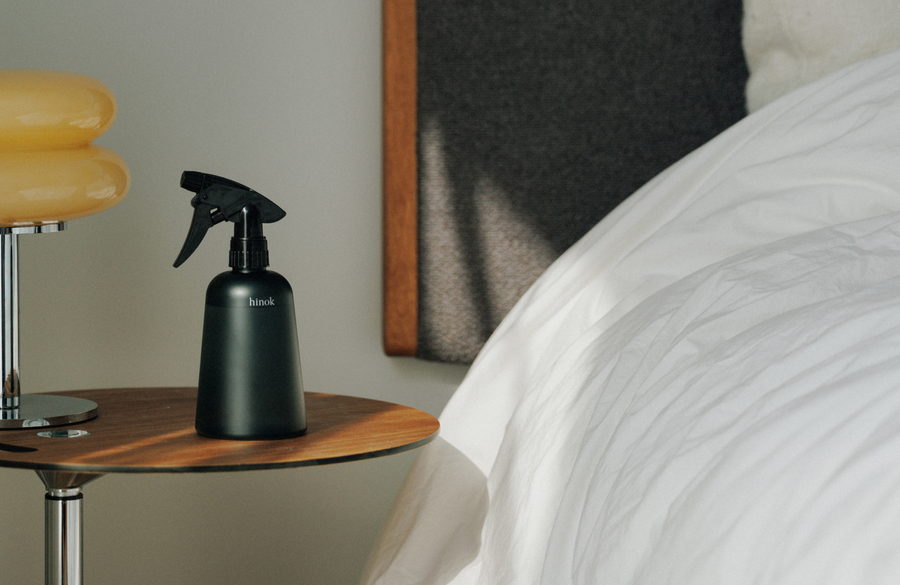
Use the mist where a small gesture matters most. Before making the bed. As coats come off in the entryway. A single sweep before a meeting. Two light passes keep shared air tidy without competing with what anyone is already wearing.
The point is not to perfume a space. It is to let a room rejoin itself.
Closing
Jeju's water cycle is a long-running routine. Mist arrives, basalt drains, reserves feed the grove, the cypress releases what keeps it well, and a fraction of that finds its way into a bottle on your counter. None of it is new. We only added a quieter step between the forest and the room.
Fallen, not Harvested. Nothing is wasted.