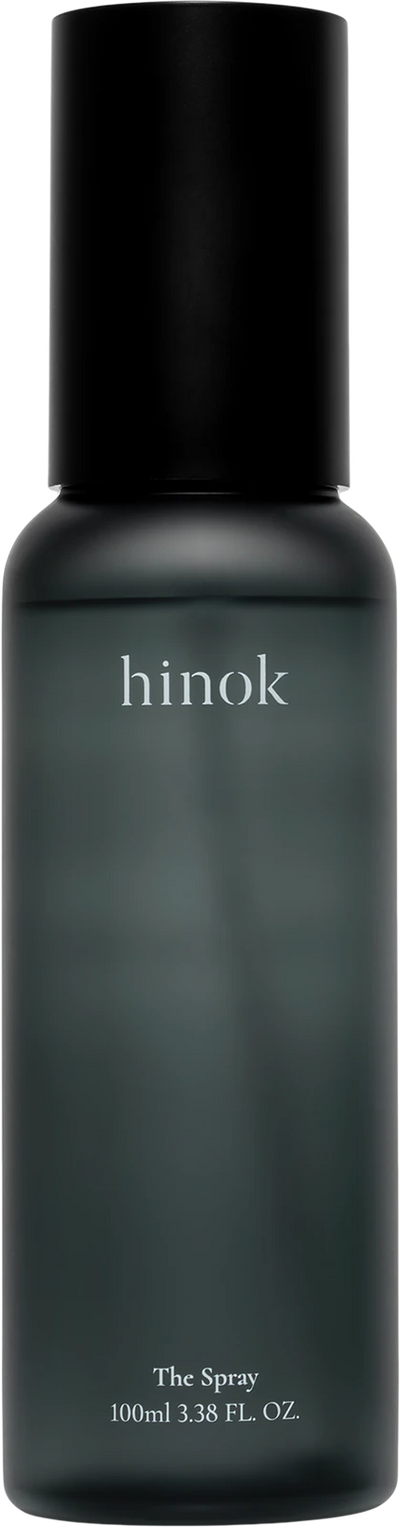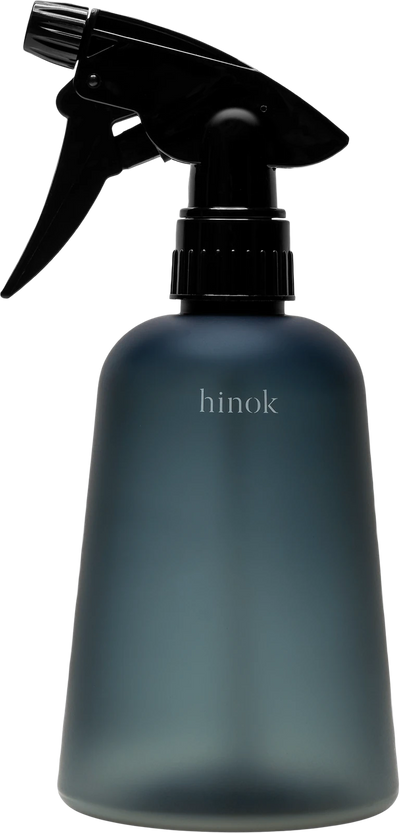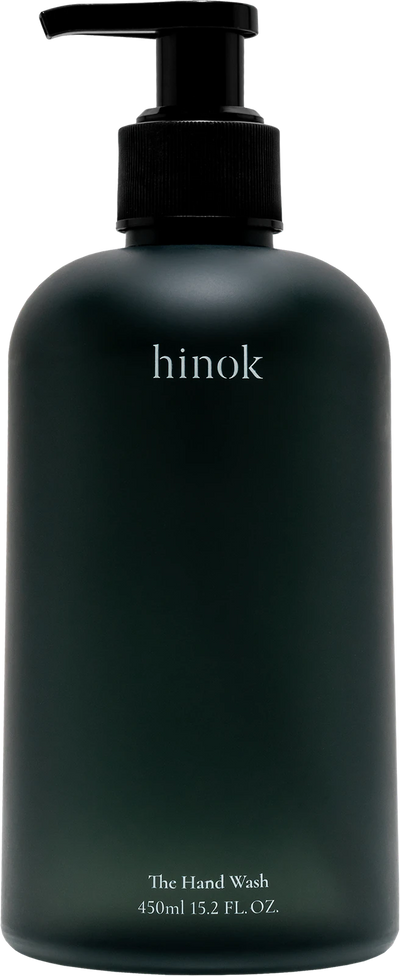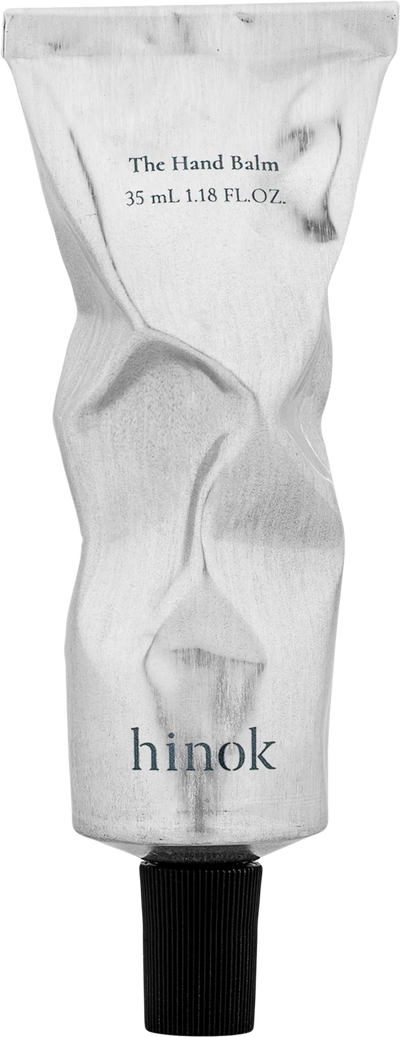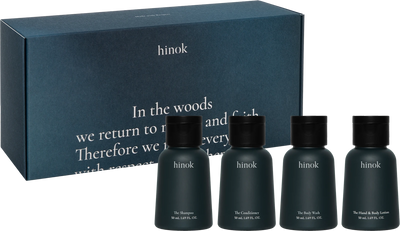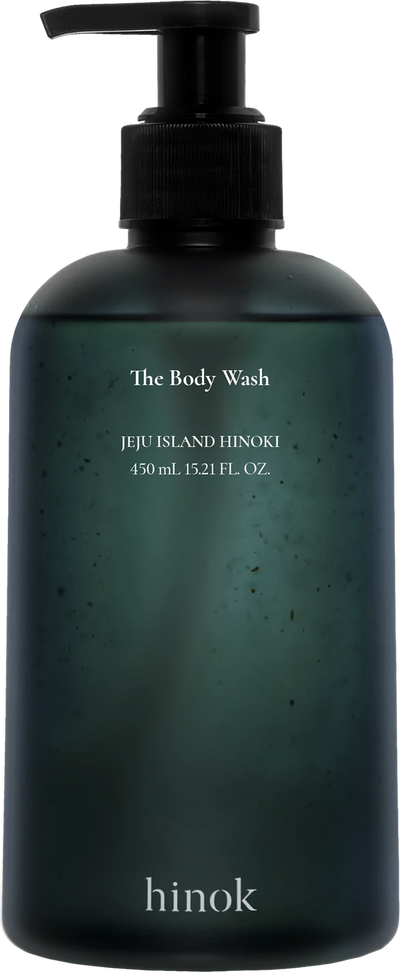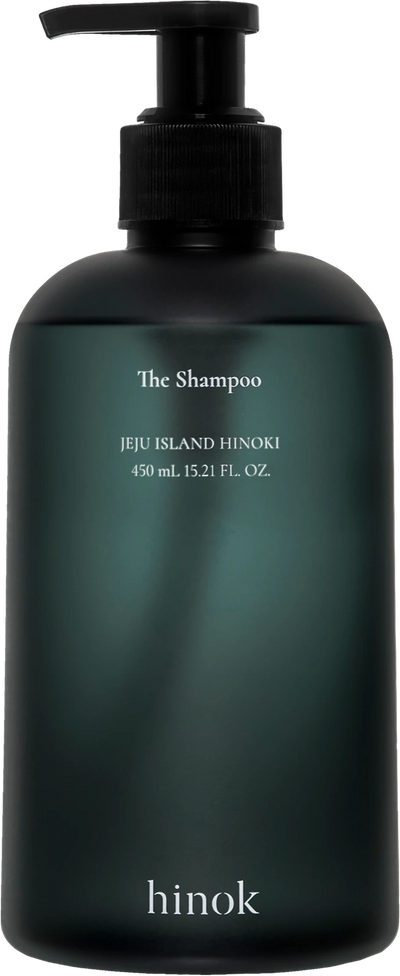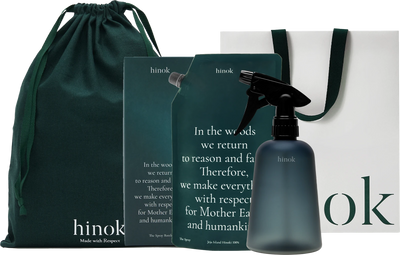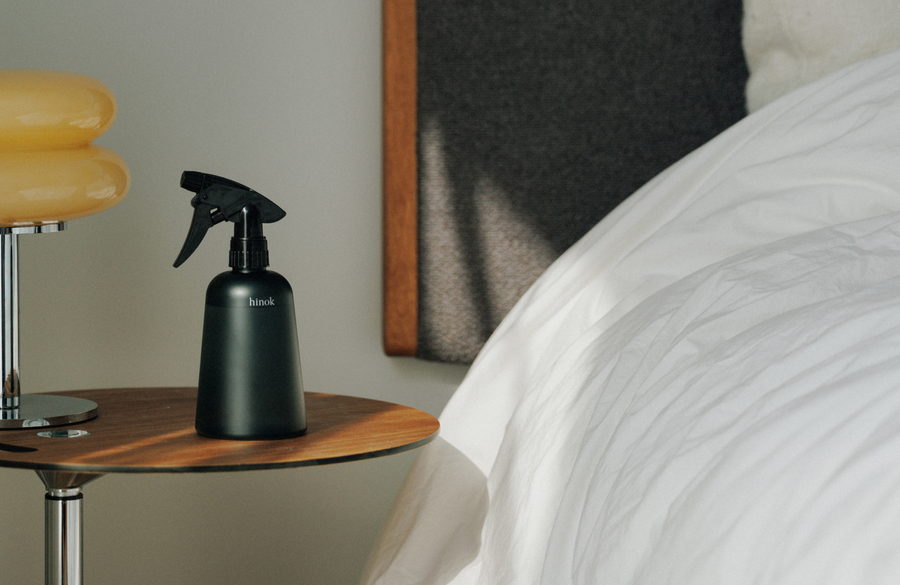

You hold a hinok bottle. Sturdy, smooth, weighty in the hand. You feel the next refill arrive — a soft rustle in the pouch that will pour its contents inside the bottle you already own.
Refill is the whole design, not a sustainability add-on. Every choice behind the line begins with the bottle staying in service.

The Numbers That Make It Work
Refill only matters if the math is real. Ours is specific:
- Each refill uses far less plastic than a new bottle, and the same bottle stays in service across cycles.
- We are Plastic Neutral certified by rePurpose Global. Every gram of plastic hinok places into the world is offset by recovery of the same weight from waterways and shorelines, through verified partner projects.
- The Long Life Service covers The Spray's trigger for five years. Pressure left in the chamber wears triggers out — release it after every use and the guarantee holds. If the trigger fails in that window, we replace it.
- The Hand Wash bottle is 100% PCR PET. Made entirely from post-consumer recycled material rather than virgin plastic, and designed to stay in service across many refills.
None of these figures are aspirational. Each one is traceable to a specific lab report or certification filing.
Designed From the Refill Outward
Most brands design a product first and look for sustainability choices afterward. We designed in reverse: what does a bottle that stays in service for years need to look like?
The answer shaped the whole line. Durable structural wall thickness so the bottle does not warp after repeat cleaning. A trigger mechanism engineered to outlast the liquid around it by a factor of ten. A wide-enough mouth to accept a pouch pour without splash. A neck threading that accepts the same trigger across refills without wearing. Small, structural decisions compound.
The pouch is the other half of the system. Lightweight, flat, pre-measured. Less material per volume delivered. Lower shipping weight. Less shelf clutter at home. None of this is glamorous. It is what an honest refill system looks like from the inside.
What the Routine Feels Like
The refill habit is small. Three steps, on a rhythm that does not demand anything.
- Rinse and air-dry. Warm water, then let the bottle dry fully. A dry bottle is what keeps residue from forming.
- Pour slow. Spout of the pouch against the inner wall of the bottle. No splash, no bubbles. Leave a small headspace at the neck.
- Continue. The trigger is the same trigger. The bottle is the same bottle. The cycle continues.
The first time, the routine feels slightly unfamiliar. By the third or fourth refill, it is automatic — and the bottle has begun to accumulate its own history of cycles. That history is the point.

Rooted in Pruning, Not Extraction
Refill culture at hinok begins upstream, before any bottle is filled. The hinoki water itself comes from upcycled pruning — fallen leaves and trimmed branches from routine care of Jeju Hinoki Cypress groves. No tree is felled for hinok. No grove is reduced in order to fill a bottle.
The refill continues that logic. The pouch continues it. The five-year trigger guarantee continues it. Every layer of the system is asking the same question: what is the minimum you can take, and the longest it can remain useful?
An Agreement, Not a Marketing Angle
Refill is slower and less theatrical than buying a new bottle. It is also the whole way hinok works. The numbers hold because the design matches the claim — not because the claim was chosen to justify the design.
Fallen, not Harvested. Nothing is wasted. One bottle, many lives, less plastic.