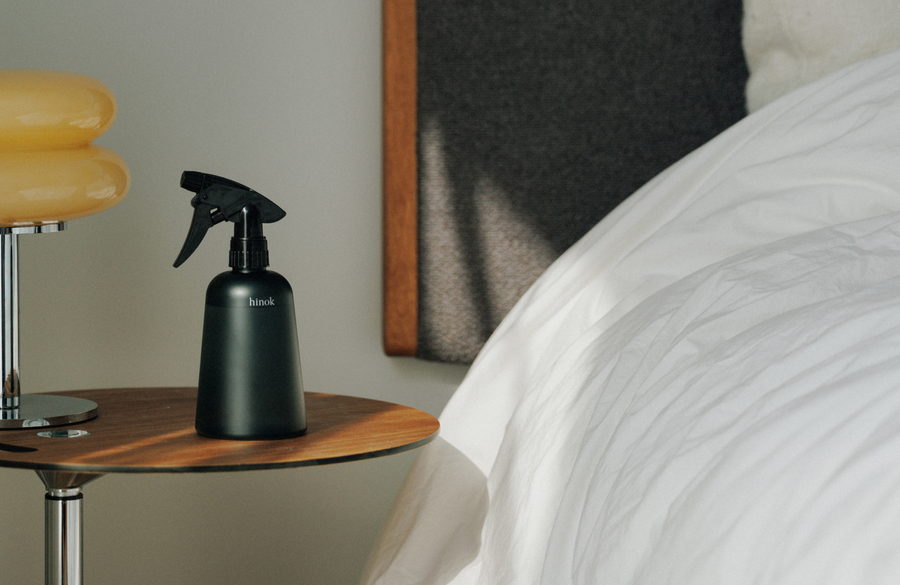

A light mist can make a garment repeat-ready — fresh and neutral, not perfumed. That difference is the whole practice. Wardrobe refresh is not about making clothes smell like something. It is about returning them to the state in which they feel like themselves.

The Daily Challenge
Closets collect small, persistent odors. Jackets remember commutes. Sweaters hold café air. Denim keeps a trace of yesterday. None of it is heavy — but none of it goes away on its own, either.
Heavy fragrance masks the issue for a few hours and then competes with whatever the wearer puts on tomorrow morning. Washing after every wear is impractical, stresses natural fibers, and shortens the life of the garment. Dry-cleaning on a short cycle is expensive, environmentally costly, and changes the hand of the fabric over time.
What a closet actually needs is subtler: a short, low-residue refresh that tidies garments at night so they feel ready by morning — without adding anything that outlasts the next day's coffee.
An Evening Practice
Five minutes, at the end of the day. The rhythm goes like this:
- Hang with space. Open hangers, not crammed. Air needs somewhere to go between pieces.
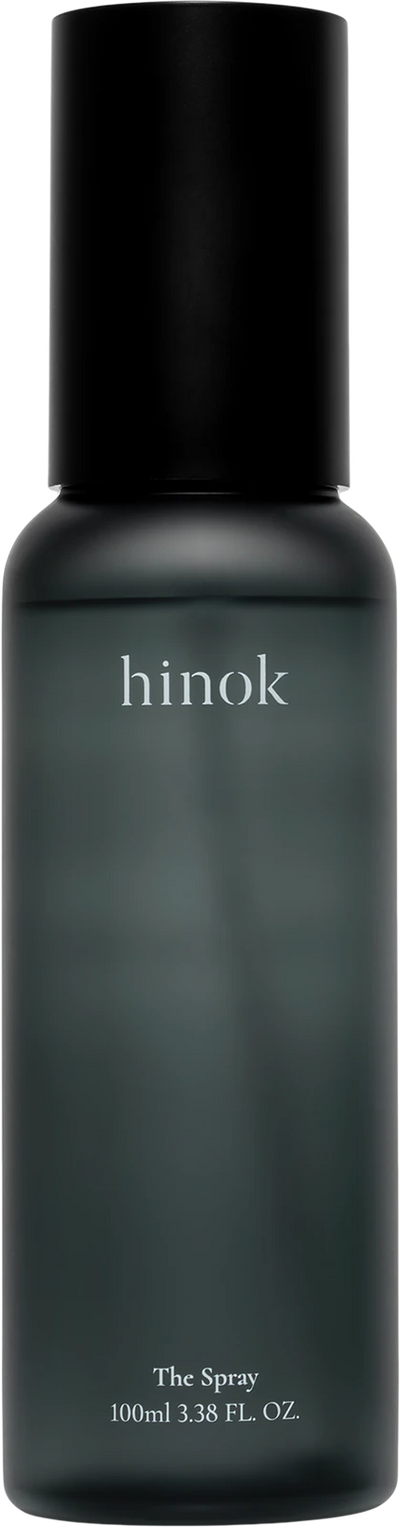
- Mist at arm's length. Hold The Spray about thirty centimeters away. Light passes along the inside collar, the lining, the hem.
- Let the garment breathe. About a minute by an open doorway or window. Do not return it to the closet while still damp.
- Return when neutral. When a garment feels ready to the nose — not scented, just clean — it goes back. That is the signal.
For delicate fabrics — silk, unfinished wool, certain dyed cotton — test on an inside seam first. When uncertain, mist the air above the garment rather than the garment itself; the compounds drift down with air movement.

Layering with Personal Fragrance
If you wear perfume, the order matters. Refresh garments at night. Apply fragrance in the morning, to skin, as usual.
The Spray keeps the wardrobe's baseline neutral so your personal scent reads clean on the fabric rather than mixing with yesterday's background. Two gentle passes are better than one heavy one. The goal is not to add a layer but to remove one — the residual traces of whatever the garment collected while being worn.
What It Is, Chemically
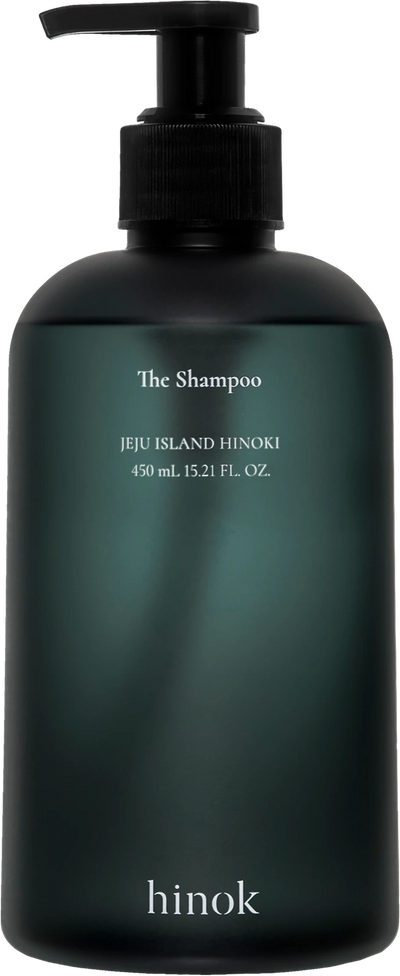
The Spray is formulated with Jeju Hinoki Cypress (Chamaecyparis obtusa) Water, steam-distilled from pruning byproducts — fallen leaves and trimmed branches, not harvested timber. Cypress trees release phytoncides, the aromatic compounds they use to protect themselves from bacteria and fungi. In a bottle, these compounds do similar work on fabric.
An independent human patch test on thirty-two volunteers recorded an irritation index of 0.00, supporting safe daily contact with skin and most fabrics. The formulation is free from synthetic fragrances, sulfates, and parabens. PETA Certified Vegan, cruelty-free.
Refill, Not Replace
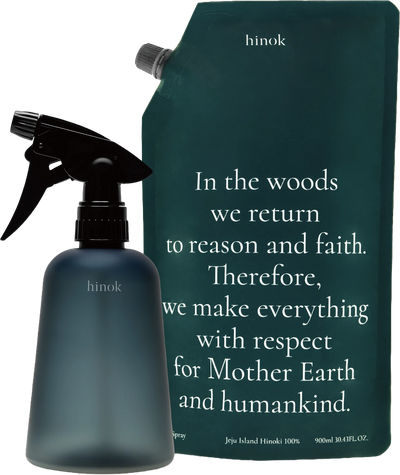
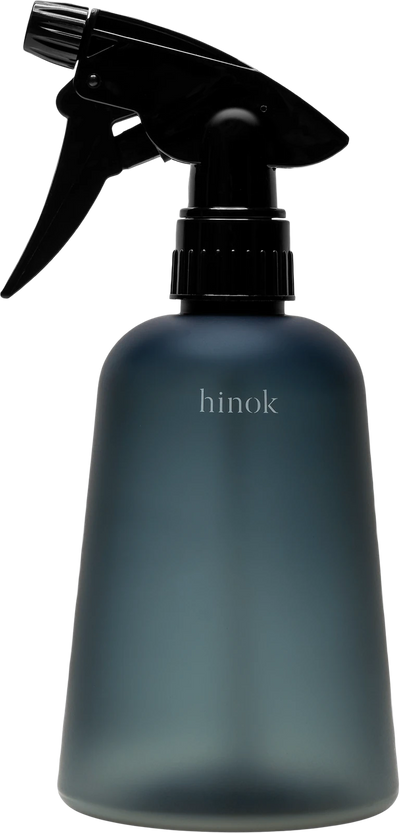
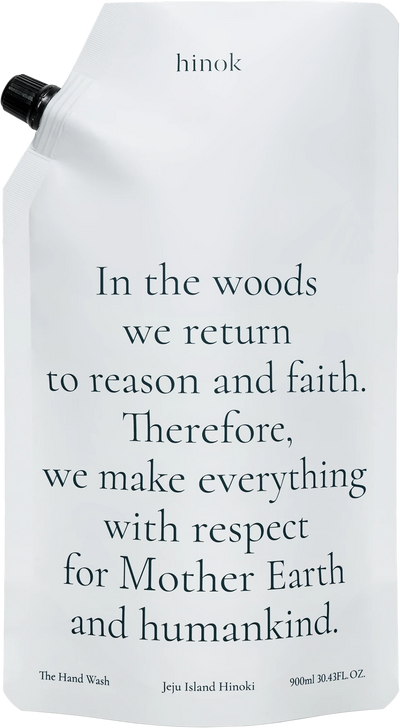
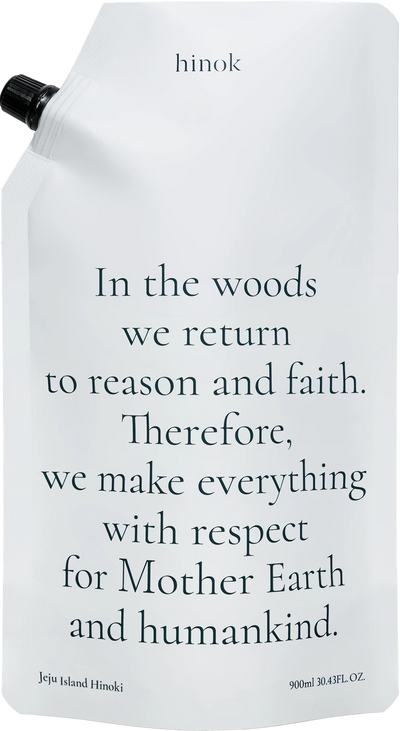
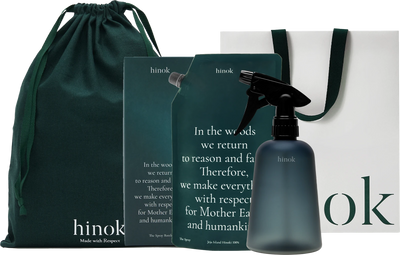
The Spray is designed to refill. Keep one durable bottle in service and refill from a pouch when it runs low. Each refill cycle keeps the same bottle in service, with far less plastic than a new bottle. We are Plastic Neutral certified by rePurpose Global.
A wardrobe that quietly stays neutral — and a bottle that quietly stays in service — are the same kind of discipline. Small, repeatable, structural.

Etiquette, Not Effort
A wardrobe refresh is not a new obligation. It is a five-minute reset at the end of a day that reduces what the next day has to carry. The person next to you on the train tomorrow gets a cleaner seat. You get a closet that does not slowly layer the year's commutes on top of each other.
That is the whole practice. Cleanliness becomes courtesy when it is light, repeatable, and respectful of whoever comes next.