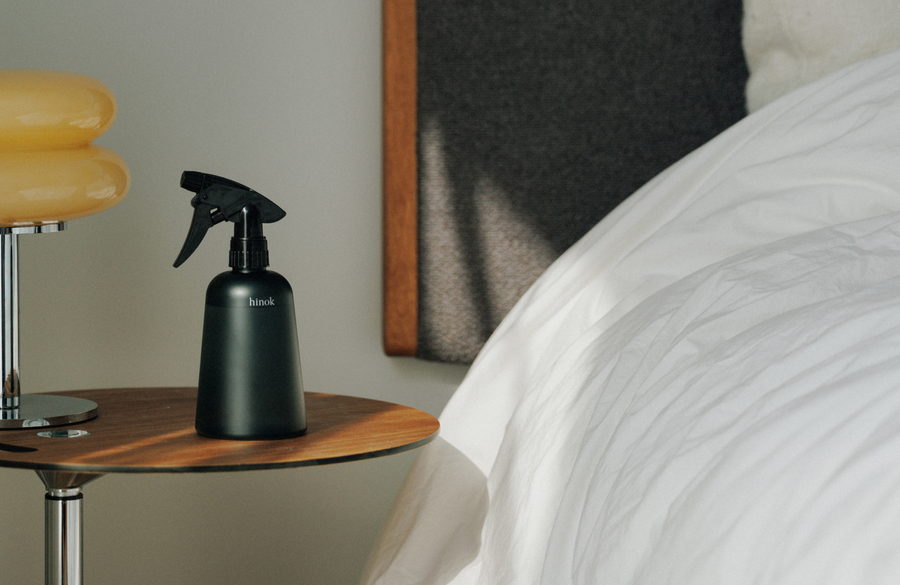


A tidy threshold sets the tone. One short routine, once a day, keeps coats and shared air fresh — courtesy for everyone who steps inside after.
The entryway is where the day lands: coats off, shoes off, the smell of whatever commute brought everyone home. A small reset here is what keeps the rest of the house from inheriting the street.

Why the Entryway Needs This
Entryways collect coats, shoes, umbrellas, parcels, and pet leads. The air turnover is low because the space is small and often closed to the rest of the house. Items hang close together. Fabric shares what fabric has absorbed.
Heavy fragrance does not solve this — it compounds it. A diffuser running in a closed entryway produces a layered smell that clashes with whatever a person is already wearing. What works better is predictable tidiness: a quick routine that deodorizes garments at the source, refreshes the air briefly, and steps back. Within minutes, the background returns to neutral.
The Two-Minute Refresh
Five steps. Done in sequence, once a day.
- Open and air. Crack the door or a nearby window for about sixty seconds. This is what makes everything else work — a small airflow to carry the mist rather than trap it.
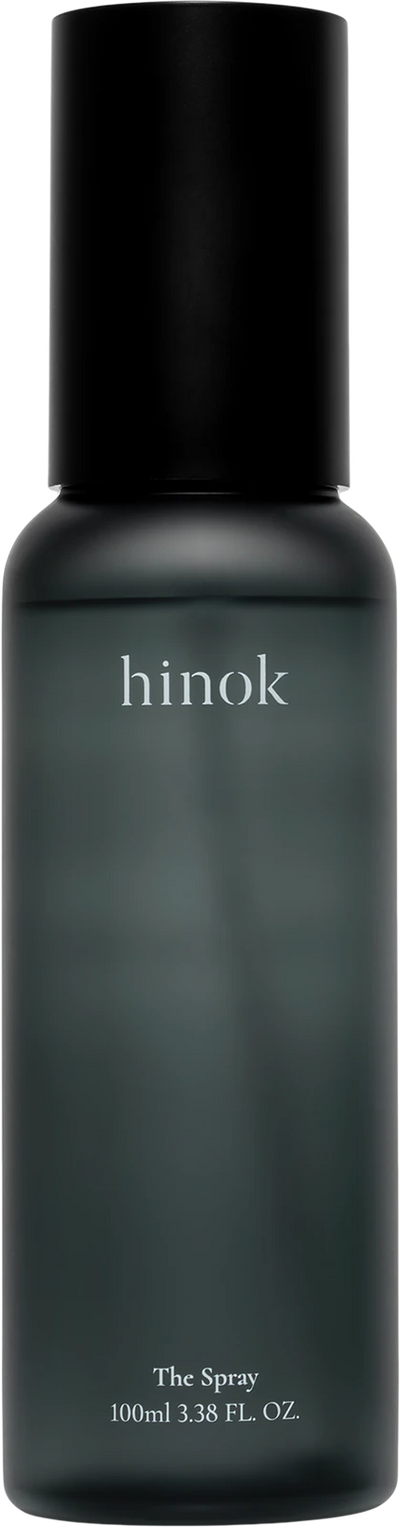
- Garment sweep. Hang coats with space between pieces, not crammed. Hold The Spray at arm's length and mist lightly along collars, cuffs, and hems. Two light passes, not one heavy one.
- Footwear zone. Mist above the shoe area — not directly onto leather. The compounds drift down as airflow moves. This is the one step where restraint matters most.
- Shared items. Give umbrellas, totes, and pet leads one quick pass each before storing. These carry the most variable odors and benefit most.
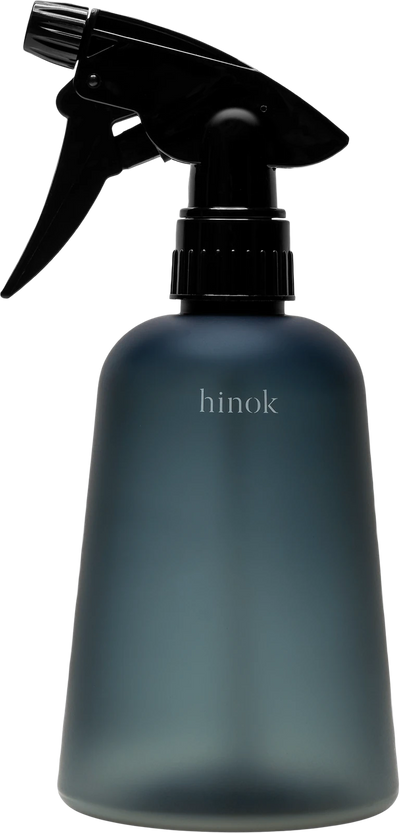
- Relock and store. Turn the nozzle to OFF. Press the trigger fully once to release internal pressure. Wipe the tip. Store upright. This lock habit is why the trigger is covered for five years.

Special Cases
A few situations that come up in most entryways:
- Delicate fabrics. Silk, unfinished leather, certain dyed wools — patch test on an inside seam first. If in doubt, mist the air above the garment rather than the garment itself.
- Wet coats. Let the fabric dry before refreshing. Misting damp wool compounds the issue rather than resolving it.
- Pets. Pet leads, harnesses, and carrier mats benefit most from a weekly reset. The Spray formulation is skin-safe (irritation index 0.00 on human patch test), but let materials dry fully before the next use.
- Before guests. Add one extra sweep thirty minutes before they arrive. The threshold stays neutral without stacking scent.

Refill and Care
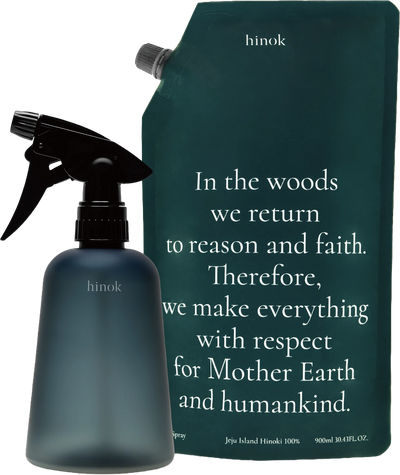
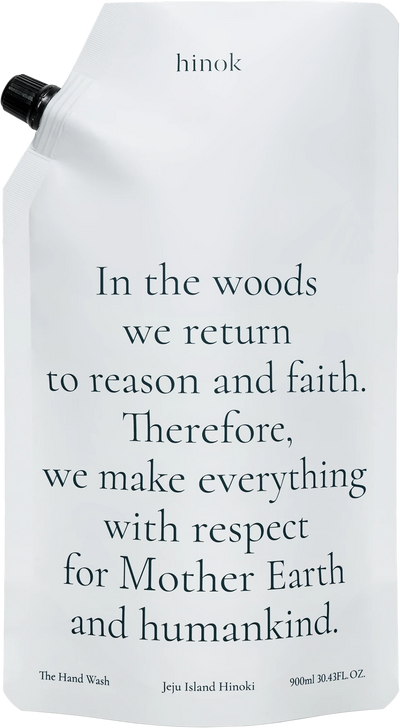
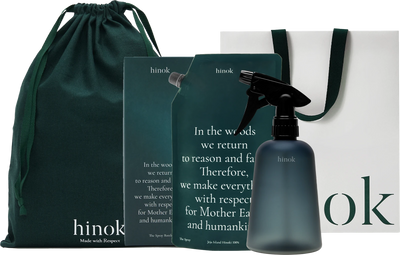
Keep one durable bottle in service and refill from a pouch. Rinse and air-dry the bottle between refills for a clean pour. Pouches store flat and light — less virgin plastic, less shelf clutter.
Each refill uses far less plastic than a new bottle. We are Plastic Neutral certified by rePurpose Global — every gram of plastic we put into the world is offset by recovery of the same weight from waterways and shorelines. Natural inputs can show subtle seasonal variation; performance stays consistent while the hinoki note may shift slightly between batches.
Label, Disclosed
The Spray is formulated with Jeju Hinoki Cypress (Chamaecyparis obtusa) Water, steam-distilled from pruning byproducts — fallen leaves and trimmed branches, not harvested timber. Cypress trees release phytoncides, the aromatic compounds that carry a forest's clean air. No synthetic fragrance added. PETA Certified Vegan, cruelty-free.

A Quiet Threshold
A well-kept entryway is a kind of hosting. The household returns home to a room that has not inherited the day. Visitors step in to shared air that does not compete with what they brought. Two minutes, once a day, is usually all it takes.